

Property damage is stressful enough without having to work out the insurance claims process at the same time. After storm damage, a burst pipe or any other incident, it helps to know how home insurance claims work before you speak to your insurer.
Key Takeaways
- Understand your home insurance policy thoroughly, including what is covered and what is not.
- Act quickly and report any incidents as soon as possible to your insurer.
- Always document all damage with photos and videos.
- Never dispose of damaged items before your insurer or loss adjuster has assessed them.
- Understand how any settlement offer was calculated, and ask questions if anything is unclear.
- Seek expert advice when you feel overwhelmed, or if you are unsure of your options.

This guide is written for homeowners in Ireland. It covers what your policy is likely to include, how to report and record the damage, what the loss adjuster does, and when it makes sense to bring in a loss assessor. For specific scenarios, such as dealing with an insurance adjuster after a house fire in Ireland or dealing with an adjuster after water damage, it’s wise to consult our detailed guides on those topics.
Table of Contents
Understanding Your Home Insurance Policy: Your First Step Before You Claim
Before you ever need to file a claim, it’s essential to have a thorough understanding of your home insurance policy. This document is your guide to what’s covered, what’s excluded, and what your responsibilities are as a policyholder. Let’s explore the key areas you need to be aware of. For a more detailed overview, you may find our page understanding your home insurance policy a valuable resource.
What Does Your Policy Typically Cover?
Most standard home insurance policies in Ireland offer coverage for a variety of risks, including:
Fire, Smoke, and Explosion: Damage resulting from these incidents is typically covered, although there might be specific limitations for certain types of explosions. If you’ve experienced this, our article on fire and smoke damage insurance claims may provide further insight.
Storm and Flood Damage: Coverage for storm and flood damage can vary. Some policies may have specific exclusions, particularly for areas at high risk of flooding, or require additional coverage for storm-related events. It’s crucial to check the fine print regarding “acts of God.” You can also read our article on claiming for storm damage.
Theft and Vandalism: Generally, your policy should cover property loss or damage resulting from theft and vandalism, but remember that there are usually specific requirements for coverage, such as evidence of forced entry. For further reading, see how to claim on insurance for malicious damage.
Water Damage: This usually includes damage from sudden burst pipes, leaks, and other unexpected water-related issues. However, slow leaks resulting from neglect might not be covered. If you’re dealing with water damage, our guides on claiming for water damage, and claiming on insurance for a burst pipe may offer specific advice.
Accidental Damage: Depending on your policy, accidental damage to your home or possessions might be covered, although there can be limitations on the types of items or the circumstances of the damage.

Policy Exclusions to Keep in Mind
Equally important is understanding what your policy does not cover. Common exclusions often include:
Wear and Tear: Gradual deterioration of your property isn’t usually covered. For instance, a roof deteriorating due to age is typically not a covered loss.
Damage from Neglect: If you fail to properly maintain your property, any resulting damage might not be covered. This can include things like not regularly cleaning gutters or ignoring a slow leak over time.
Pre-Existing Conditions: Damage that existed before you took out the policy, or that was known and not disclosed, will not be covered.
Certain Natural Disasters: While standard policies often include storm damage, some may have specific exclusions or require additional coverage for events like earthquakes or landslides.
The Significance of an Accurate Valuation
One of the most vital aspects of home insurance is having an accurate valuation of your property and its contents. Many homeowners are underinsured without realising it, and if your sum insured is too low, the amount paid on a claim can be reduced.
It’s a good idea to reassess your home and its contents regularly to make sure your sums insured reflect current rebuilding and replacement costs.
An accurate valuation ensures you are covered for the actual cost of repair or replacement. It’s also important to understand the risks of underinsurance, which is something we cover on our site.

Initiating a Home Insurance Claim: A Step-by-Step Approach
When disaster strikes, knowing the correct steps to take helps you to put your claim together. The initial hours and days after an incident are critical. For an overall picture, check our guide on how to claim on home insurance.
Step-by-Step Guide to Submitting Your Claim
Assess Damage and Ensure Safety: Your safety and the safety of your family come first. Secure your property to prevent further damage and begin to document all the damage.
Contact Your Insurer Promptly: Tell your insurer about the incident as soon as you can. Your policy will set out how and when you must notify a claim.
Provide Detailed Information: When you report the claim, be ready to give all the necessary details, including:
Your policy number
- The date and time of the incident
- A comprehensive description of what happened
- A detailed list of all damaged or lost items
- Contact details of any witnesses (if applicable)
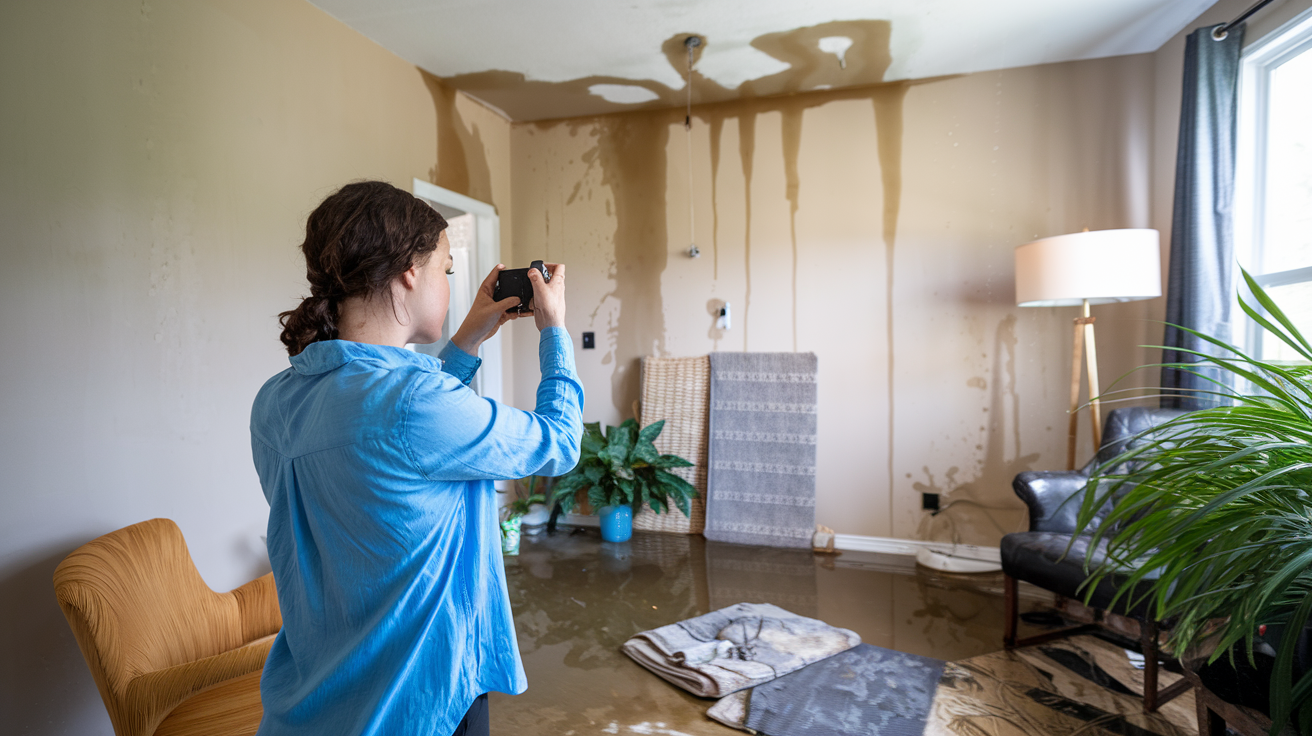
Document Everything: Take photos and videos of the damage as soon as possible. This visual evidence is crucial for your claim.
Avoid Disposing of Damaged Items: Keep all damaged items until your insurer has assessed them. If disposal is necessary, make sure you have taken clear photos beforehand.
Complete Claim Forms Accurately: Fill out any forms provided by your insurer truthfully and thoroughly.
Cooperate with the Loss Adjuster: Your insurer might appoint a loss adjuster to assess the damage. Be cooperative and provide any information they request. Understanding their role is important, so consider reading our articles on what a loss adjuster does, and why insurers appoint a loss adjuster.
Obtain Quotes: For significant repairs, get multiple quotes from reputable contractors. Getting at least three quotes can help ensure competitive pricing.
Understand the Settlement Process: Carefully read all documentation from your insurer and any loss adjusters before accepting a settlement offer. Understand how the offer is calculated and that you are aware of your rights.
Review Your Settlement Offer: Check the settlement offer against your records of the damage and make sure you understand how the payout was determined. Don’t hesitate to ask questions if anything seems unclear.
Tips for Effective Claim Documentation
Detailed documentation helps you to put your claim together. Here’s how to ensure you capture all the necessary information:
High-Quality Photos & Videos: Use a good camera or smartphone to take clear, well-lit photos and videos from various angles of all affected areas and items. Include both close-ups and wide shots.
Detailed Inventory: Create a thorough list of all damaged or lost items, including the make, model, purchase date (if known), and the estimated value. Include any serial numbers, receipts, and warranty information you may have.
Maintain Records: Keep a detailed record of all communications with your insurer. Include the date, time, names, and brief summaries of all conversations and emails. Keep copies of all related documents, from the initial claim to the settlement offer.
Navigating the Claims Process in Ireland
The claims process can often be complicated and stressful for homeowners. However, understanding how it works can make it easier to deal with.
Understanding the Roles of a Loss Adjuster and a Loss Assessor
In Ireland, it’s crucial to understand the difference between a Loss Adjuster and a Loss Assessor, as they have very different roles. A loss adjuster is appointed by the insurer to assess the claim on its behalf.
On the other hand, a Loss Assessor works on your behalf, the policyholder. They are there to represent your interests. They assess the damage on your behalf, help you prepare your claim, and deal with the insurance company for you.
They act for you, not the insurer. For additional clarity, see our guide What is a Loss Assessor and Why You Need One.
Reviewing Your Settlement Offer
Sometimes you may have questions about the settlement offered by your insurer. Here is how to approach them:
Understand Your Insurer’s Offer: Ask for a detailed explanation of how your insurer calculated the settlement amount.
Gather Comparative Quotes: Collect multiple repair quotes and present them to your insurer to support your claim.
Review Your Policy Carefully: Read the terms and conditions closely so you know exactly what your policy covers and what it excludes.
Understand Your Cover: Check that the offer includes every part of your loss that the policy covers, such as alternative accommodation if your policy provides for it.
Raise Any Concerns: If you think the offer does not reflect your loss, present all your evidence, including the quotes you have gathered and your detailed documentation.
Seek Professional Assistance: If necessary, ask a public loss assessor to prepare your claim and negotiate with your insurer for you. You can see how a loss assessor can help with insurance claims.
Document All Negotiation: Keep a detailed log of all discussions and any changes to your claim.
Addressing Common Claim Issues
Claims issues can arise at any time. Here are some common issues and how to handle them:
Claim Denial: If your claim is denied, ask for a written explanation, and seek professional advice if you wish. If you remain unhappy after the insurer’s final response, you can refer the complaint to the Financial Services and Pensions Ombudsman, and time limits apply. See our article discussing reasons why insurance claims are denied.
Disagreement on Valuation: If you disagree with their valuation, provide your own detailed evidence such as quotes and receipts to support your case.
Processing Delays: If your claim is delayed, follow up with your insurer regularly, asking for updates. You can read our article on how to speed up the insurance claim process.
Partial Cover: If your claim has been approved but it does not cover all the costs, speaking to an insurance claims solutions company can help you find out your options.
Claim Timeframes and Settlement
The duration of a claim can vary. Simple claims may be settled in weeks, while complex ones may take months. Insurers are expected to handle claims promptly and fairly under the Consumer Protection Code.

Tips for Preventing Future Home Insurance Claim Issues
Prevention is often the best approach. Here are some tips to reduce future issues:
Regularly Maintain Your Property
Proper maintenance can minimise damage, which can lead to claims:
Inspect Your Roof: Check for damaged or missing tiles regularly. Also, see our guide on claiming on insurance for a leaking roof.
Clean Your Gutters: Regularly clean gutters to prevent blockages and water damage.
Check Your Pipes: Have your plumbing inspected for leaks. It can be useful to read our guide on how to prevent frozen pipes.
Check Your Electrical System: Make sure all wiring meets current safety standards.
Maintain Trees: Prune trees and bushes to ensure they are not a safety risk.
Check Security: Regularly test your security system and ensure it is fit for purpose.
Review Your Policy Annually
Insurance policies change, so review your policy every year or when your circumstances change:
Coverage Limits: Confirm your coverage adequately reflects the current value of your home and possessions.
Exclusions: Be aware of any changes in exclusions.
Additional Coverages: Consider if you need any additional coverage for high-value items or specific circumstances.
Understand the Risks of Underinsurance
Underinsurance can lead to lower payouts. Make sure to regularly reassess the value of your property. You can also read our guide Underinsurance: Avoid the risk.
How Professional Help Can Benefit You: Insurance Claim Solutions
If a claim feels like too much to handle alongside everything else, Insurance Claim Solutions can prepare and present it and deal with your insurer on your behalf. Our claim management process is designed to ease the burden of making a claim.
How Insurance Claim Solutions Can Assist You
Expert Guidance: All of our assessors are surveyors, and they will guide you through the process.
Dealing With Your Insurer: We deal with the insurance company and its loss adjuster on your behalf, using the evidence we have gathered.
Someone on Your Side: A loss assessor deals with the insurer for you, so you are not left to handle the claim on your own.
Thorough Claim Preparation: We inspect and record the damage in detail and set out your claim against the terms of your policy. You can see some testimonials and reviews from our past clients. You can also learn more about our claim services.
Understanding Complex Terms: You can also use our insurance terms glossary to gain a better understanding of insurance terminology.
When to Seek Professional Assistance
Consider professional help if:
- You feel overwhelmed by the claim process.
- You have a complex claim to deal with.
- Your claim has been denied, or you’re not satisfied with the initial offer.
- You want a professional to prepare and present your claim so that the damage is recorded and presented to your insurer.
- You do not have the time to deal with the insurer and loss adjuster yourself.
“My friend recommended John and Trevor from Insurance Claim Solutions after I had a leak in my bathroom. I had never needed to put in a claim before. John came out to my house, viewed the damage and explained the procedure in layman’s terms. He dealt with the insurance company on my behalf and kept me informed throughout the process. John was friendly, efficient and very professional from start to finish. I would have no hesitation in recommending Insurance Claim Solutions.” – Celine Quinlan, Google review
Be Well-Prepared for Home Insurance Claims
Dealing with property damage is never easy, but preparation is the key. Always review your policy, maintain your property well, and carefully document everything in the event of a claim. If you need help, don’t hesitate to seek assistance from Insurance Claim Solutions. We can take the claim off your hands, deal with your insurer and keep you updated as it progresses. For any additional questions, please consult our FAQs.
Ready to take the next step? If you need assistance with a home insurance claim, please contact Insurance Claim Solutions on 01 870 9210 for a free initial consultation. We work on a no win no fee basis.