
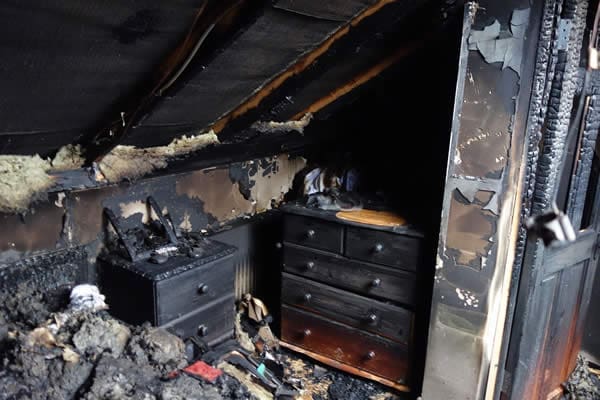
Tips On What To Do After Fire Damage to Your Home
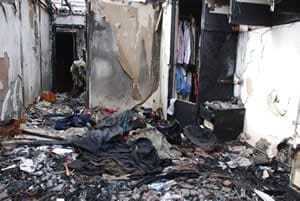
If you are a homeowner, suffering a fire is a devastating situation to go through. The overwhelming task of cleanup is daunting enough, but there is also the complexity and time-consuming process of the insurance claim and dealing with the insurance loss adjuster.
Tips List. What to consider after a fire loss to your home;
- Have Your Insurance Policy Handy
Report the claim to your insurer as soon as it is safe to do so, then ask your insurer for a copy of your entire policy with all forms and endorsements. These are all critical docs we will need to review your file. - Review your insurance policy to see if you have adequate cover for Buildings, contents, and alternative accommodation.
The most important coverage after a fire is generally emergency alternative accommodation for you and your loved ones. Alternative accommodation coverage provides payment for temporary housing if your home is not liveable (such as hotels and short-term housing during the period of reinstatement ).
For buildings and contents coverage, you want to know what are the sums insured, policy wordings and definitions policy limits, exclusions, warranties, endorsements, policy extensions and all of the other policy conditions. This will determine what can be included in your claim for presentation to your insurance loss adjuster. - Fire, Smoke, Soot
Many homes have variable methods of construction, and it can be challenging to assess precisely and identify how the building reacts to fire damage, smoke and soot. Most of our housing stock will have some form of building cavities, stud walls, dry-linings, suspended timber floors and voids. The presence of voids may allow the pressurised smoke and soot to find its way behind the walls and travel through the open framing and in behind fitted cupboards and attic spaces. Your insurer will want to know how your home is built, and it is helpful to give them the method of construction and the information on remediation for your building type.
If you are not experienced in assessing the loss, you may try to clean walls, floors, fitted furniture etc and cause more damage, prolonging the reinstatement period and potentially prejudicing your claim/policy position. In fact, the walls/floors/ceilings/fitted furniture may have to be removed in order to clean and deodorise, as the soot may lurk behind the closed construction. - Photos
With any damage claim, you must take a ton of pictures and videos throughout the process. This is very important as it relates to personal property and buildings damages as you have to show the insurance company physical damages by water, fire or soot and prove why the items should be replaced. In addition, ICS offers a 3D Virtual Walkthrough service to our clients on large and complex losses. This helps us compile more accurate and complete claims - Inventory
You will have to inventory all of the personal property damages as the insurance company will want a detailed spreadsheet that has the quantity, description, cost to replace (today’s value, not when you bought it), and age (for depreciation purposes). This may seem overwhelming, but Insurance Claim Solutions can prepare detailed inventories, so that you do not have to deal with the spreadsheets or sift through damaged debris.
The Real Value of a Public Loss Assessor
There are many more tips, but we believe the above tips are the basic ones for a homeowner to quickly understand the initial phases of understanding how insurance claims are handled.
Don’t worry; you don’t have to face the chaos of recovery or insurance claims alone. One call to Insurance Claim Solutions and we can take on the claim process for you.
We work on a no win, no fee basis. Your initial consultation is free and carries no obligation. Contact us today to talk through your claim. Even if you already contacted the insurance company, it’s not too late.
For help with your claim, call Trevor Kelly and the team on 01 870 9210
Find out how our loss assessors help with fire damage insurance claims.