 Works for the insurer
The Insurer’s Loss Adjuster
- Appointed by the insurance company
- Assesses the claim for the insurer
- Reports back to the insurer

Insurance Claim Help Ireland
Cracks that keep widening, doors and windows that start to stick, a floor that has dropped: these can be signs of subsidence, heave or landslip. Here we explain the difference between them, how home insurance usually deals with ground movement, and how Insurance Claim Solutions handles a subsidence claim with your insurer.
Call Us Today!Types of Ground Movement
Besides subsidence, heave and landslip are also significant forms of ground movement that can impact your property. Heave occurs when the ground beneath expands, pushing the foundation upwards, often due to the soil beneath rehydrating after a period of dryness. Landslip, on the other hand, involves the downslope movement of soil and rock, potentially destabilising the foundation.
The type of ground movement affects both the repair and whether your home insurance covers it.
Here's how different types of ground movement manifest:
Each type of ground movement needs a different repair. For example, heave might call for managing soil moisture, while landslip may need retaining walls. Identifying the cause correctly matters for the repair and for the insurance claim.
Get Free Claim Advice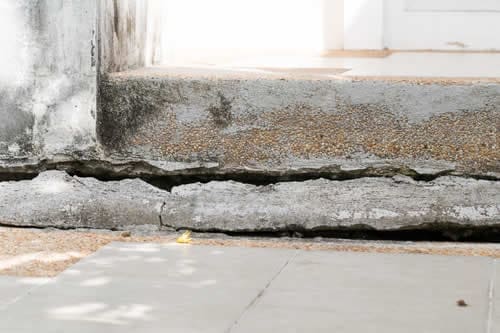
Home Insurance and Subsidence
Many home insurance policies cover subsidence, heave and landslip, but the details vary from policy to policy. Buildings insurance typically covers damage to the structure of your home, including the foundation and walls and floors, while contents insurance covers your possessions inside. Some policies may have exclusions or limitations, such as an initial excess for subsidence claims.
Check the subsidence section of your policy, including the excess, before you make a claim.
If you suspect subsidence, the first step is to contact your insurer immediately. They will usually appoint a loss adjuster, and often a structural engineer, to establish the cause and extent of the damage. Gather all relevant information, including photos of the cracks in the walls and any documentation related to previous repairs. Subsidence claims often involve further investigation and a period of monitoring before repairs are agreed, so it helps to have someone keeping the claim moving.
Insurance Claim Solutions can manage the entire claim process, including damage assessment and negotiating with insurers.
Get Free Claim Advice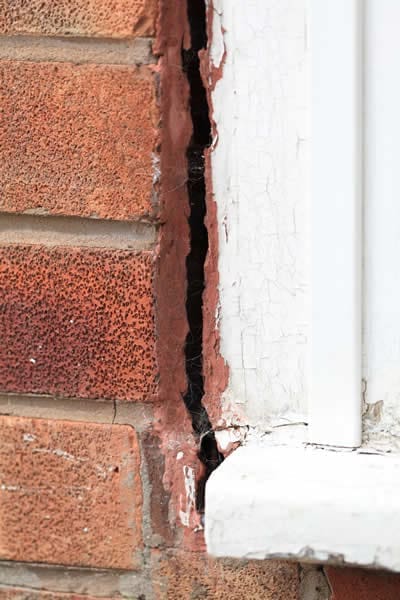
Loss adjuster or loss assessor?
When you make a subsidence claim, your insurer sends a loss adjuster. They are appointed and paid by the insurance company, and they assess the claim on its behalf. A loss assessor does the same job from your side of the table: we are appointed by you, and we work for you.
Works for the insurer
 Works for you
Insurance Claim Solutions represents you, the policyholder, throughout the entire claim.
Managing Subsidence Issues
Addressing subsidence requires tailored solutions depending on the cause and severity. Underpinning is a common method to fix subsidence, involving strengthening the foundations to prevent further movement of the ground beneath. Other options include resin injections to stabilise the soil beneath and drain repairs to address issues that cause subsidence.
Get advice from a qualified surveyor or structural engineer before deciding on a repair, especially where the damage is severe.
Preventive measures can significantly reduce the risk of subsidence. Regularly inspect your property for cracks in the walls and other signs of subsidence, addressing any issues promptly. Ensure drains are well-maintained to prevent leaks that wash away the soil beneath the foundation. If you have trees near your home, consult a tree surgeon to manage root growth and prevent them from drying out the soil beneath.
Taking these steps can reduce the risk of future ground movement around your home.
Insurance Claim Solutions handles subsidence claims for homeowners and businesses. We record the cracking and movement, check the damage against your policy and deal with your insurer, its loss adjuster and the engineers on your behalf. We keep the claim moving through the investigation and monitoring stages and keep you informed throughout.
Get Free Claim Advice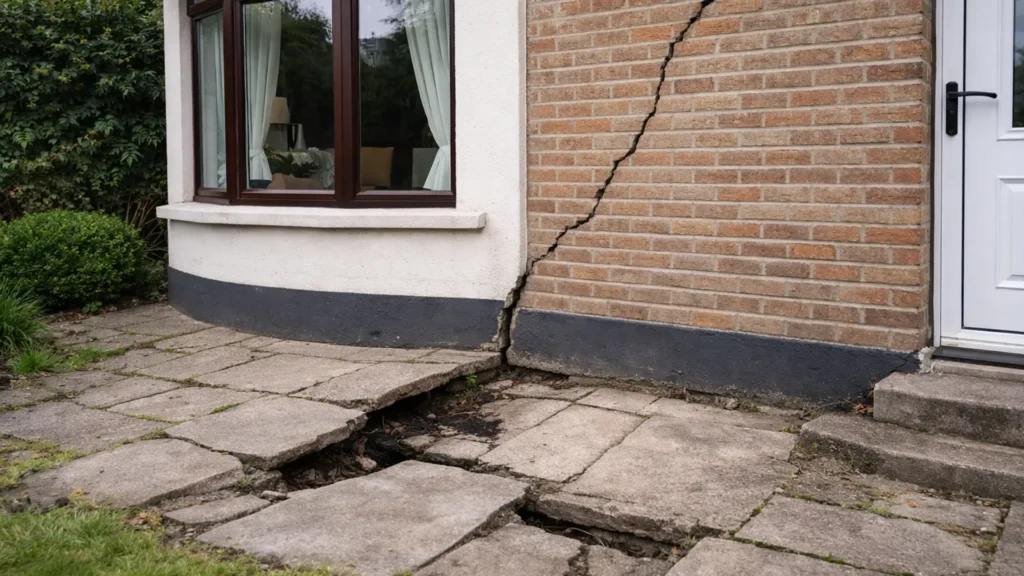
Conclusion
Home insurance cannot stop ground movement, but it may pay for the damage it causes. Check whether your policy covers subsidence, heave and landslip, and note any exclusions, limits or special excess.
Regular maintenance and prompt attention to any signs of subsidence help prevent further damage. Keep a record of any cracks you notice, with dates and photographs, as this helps when the insurer investigates.
Subsidence, heave and landslip can cause serious structural damage, and these claims tend to take longer than most. If you see signs of ground movement, tell your insurer and keep a note of what you have seen and when. Insurance Claim Solutions can then assess the damage, take over the claim and deal with the insurer on your behalf through to settlement.
Get Free Claim Advice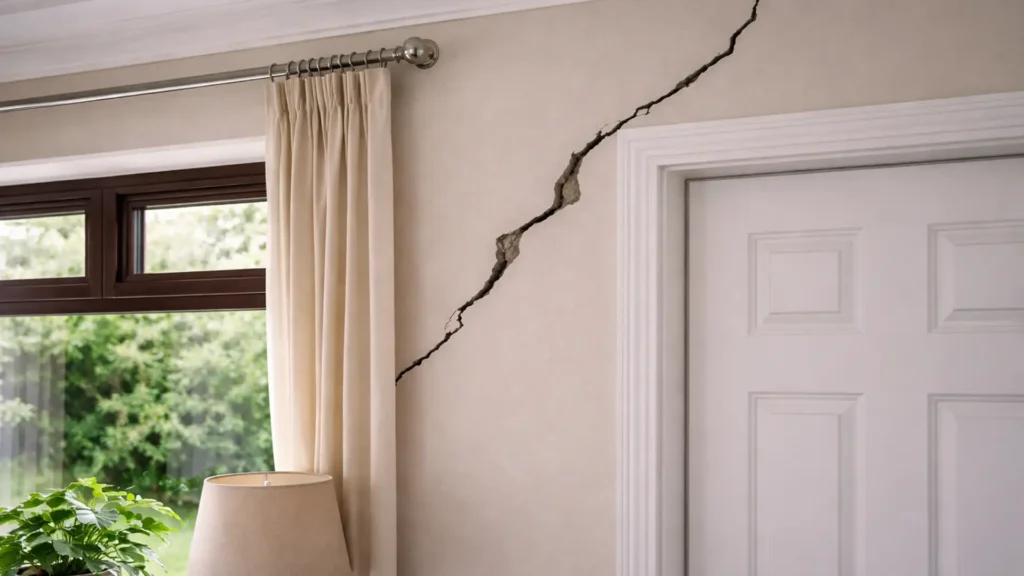
What happens next
A short conversation about the damage and your insurance cover. It’s free, and there’s no obligation.
An experienced loss assessor inspects the property and identifies what should form part of the claim, including damage that isn’t obvious yet.
Documentation, valuations, insurer communication and negotiations are handled for you. You’re kept informed at every stage.
We negotiate the settlement with your insurer under the terms of your policy. The insurer pays you directly.
Step 01 is a free, no-obligation conversation.
Dublin's Trusted Loss Assessor
Eliminate the Stress of Dealing With The Insurers.
Get Faster Settlement of Your Claim.
Get Expert Help With Your Claim. The first on-site assessment is free, with no obligation.
Call our 24-hour emergency number 01870 9210