 Acts for the insurer
The Insurer’s Loss Adjuster
- Appointed by the insurance company
- Assesses the claim for the insurer
- Reports back to the insurer

Insurance Claim Help Ireland
Oil leak damage claims in Ireland: what your home insurance may cover and how a loss assessor can help.
Call 01 870 9210What you need to know before you claim
An oil leak is one of the harder property claims to deal with. The oil soaks into floors, walls and soil, the smell lingers, and the clean-up often needs specialist contractors. As a loss assessor regulated by the Central Bank of Ireland, we handle oil leak claims for homeowners, from recording the contamination to agreeing the clean-up and repair costs with your insurer.
Cover for oil leaks differs from one home insurance policy to the next. Some cover the lost oil, the clean-up and the repairs; some set a limit on what they will pay; and many exclude leaks caused by wear and tear or that built up gradually. Read the oil or heating section of your policy, or send it to us and we will check it against what has happened.
Get Free Claim Advice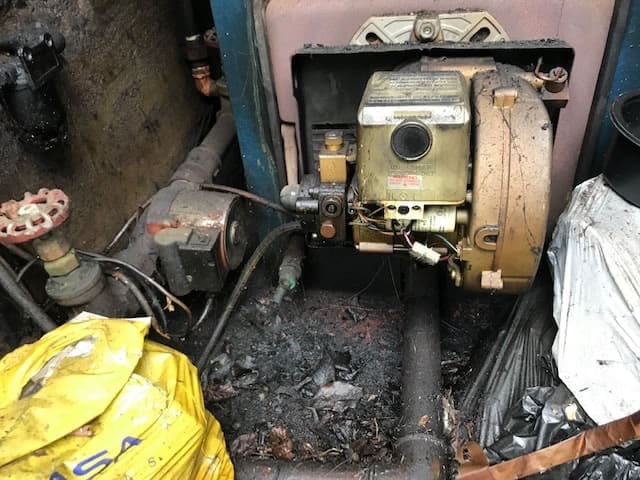
The types of damage an oil leak can cause to your home and property
An oil leak is the escape of oil from a home heating oil tank, pipework or boiler system. It can damage the property and the surrounding soil, and sometimes reaches neighbouring land. Clean-up and remediation can be costly. If you find a leak, deal with it promptly and tell your insurer.
Oil leak damage can take several forms, including damage to the structure of your home, soil contamination and harm to the surrounding environment. Costs associated with oil spills can also include the need for alternative accommodation during remediation. If leaking oil contaminates your property, keep a clear record of the damage for your insurance claim.
Get Free Claim Advice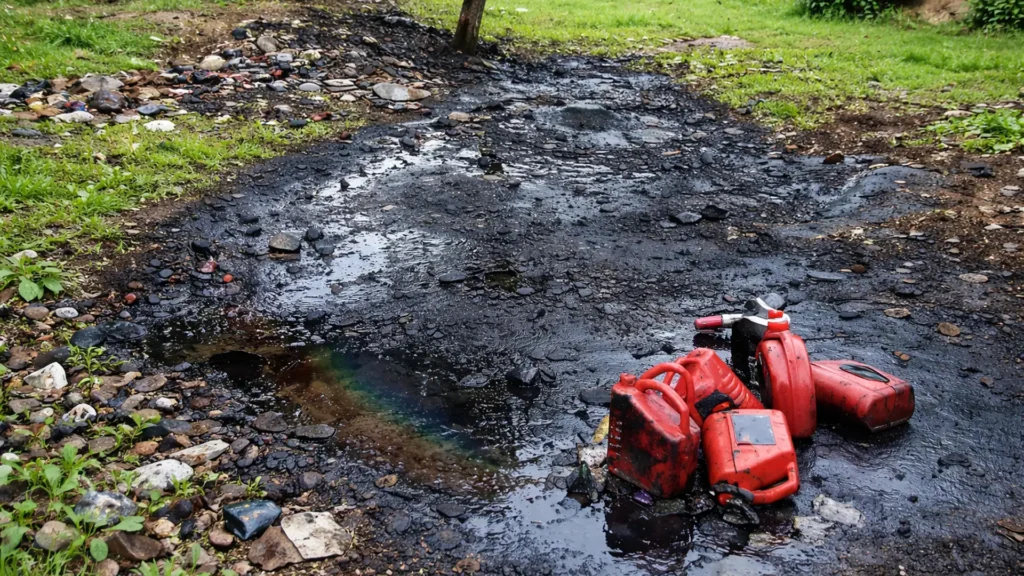
Loss adjuster or loss assessor?
When you make a oil leak claim, your insurer sends a loss adjuster. They are appointed and paid by the insurance company, and they assess the claim on its behalf. A loss assessor does the same job from your side of the table: we are appointed by you, and we work for you.
Acts for the insurer
 Acts for you
Insurance Claim Solutions acts for you, the policyholder, from the first inspection to settlement.
What to do from the moment you discover a leak
If you find an oil leak, make the area safe and, if you can do so safely, for example by closing the tank valve, stop the leak at source. If you cannot, keep clear. Keep oil away from drains and watercourses. Tell your insurer promptly; if oil may have reached a drain, stream or other watercourse, say so straight away, and your local authority can advise on any environmental steps. Then, as far as it is safe to do so, record the leak and the damage it has caused:
Clear records help the insurer when it looks at the claim. Keep any damaged items and the invoices for clean-up work until the claim is dealt with.
Report the leak to your insurer as soon as you find it, and contact us at the same time. Give them your photographs and any reports you have, and fill in the claim forms accurately. Insurance Claim Solutions can manage the claim for you, from the first survey to settlement. Every home insurance policy is different, so we start by reading yours.
Get Free Claim Advice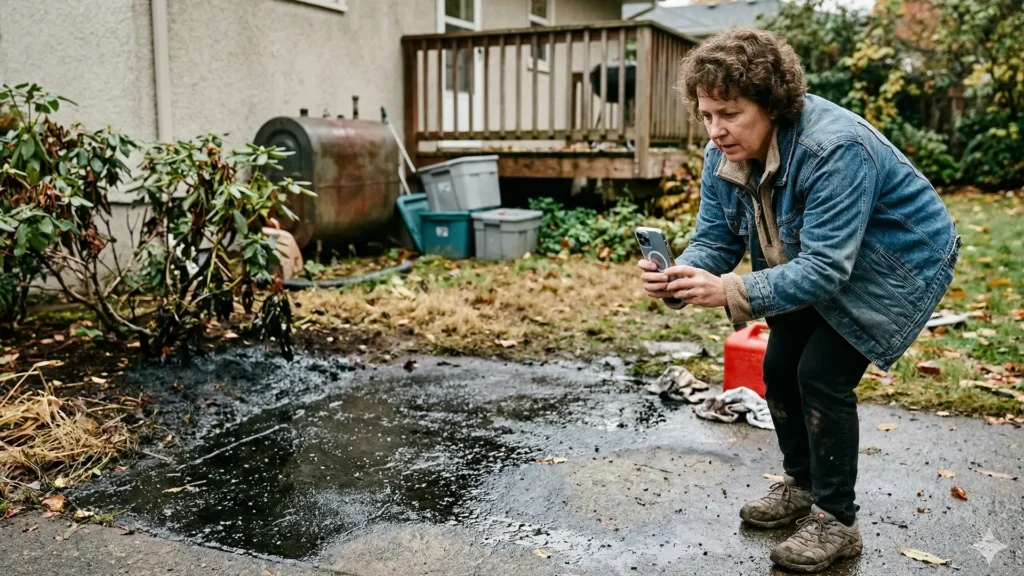
Why cover varies between policies, and the damage that is easy to miss
Many policyholders do not realise how much oil leak cover varies between policies. Contamination of your land, or of a neighbour's property, may fall under a separate section of the policy or need an extension. We read your policy wording against the damage so each part of the loss is claimed under the right section.
We also look for the oil leak damage that is easy to miss: oil that has soaked under floors and into walls, contaminated soil and drains, damage to a neighbour's property, and the cost of somewhere else to stay while the house is cleaned up.
Get Free Claim Advice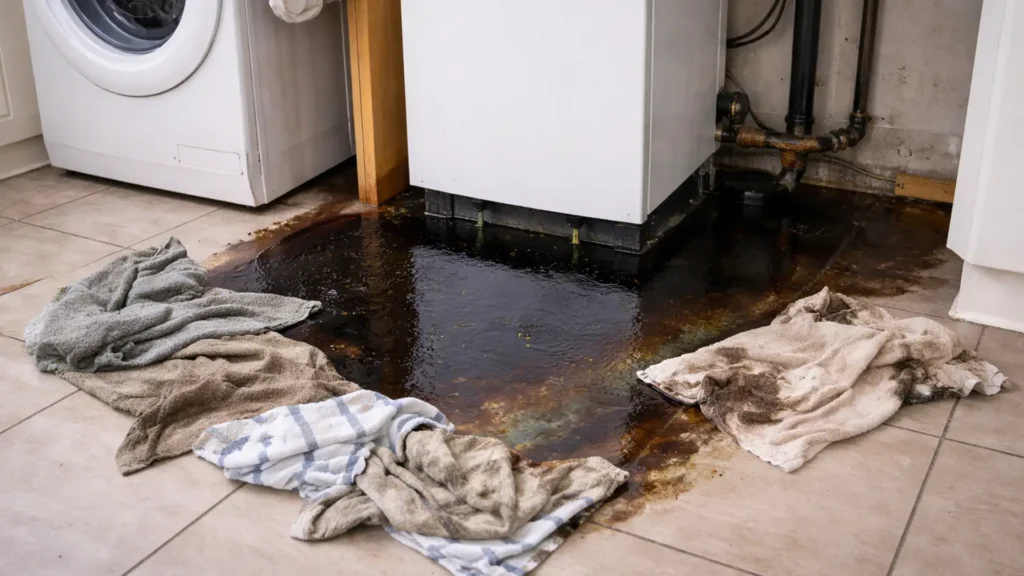
What happens next
A short conversation about the damage and your insurance cover. It’s free, and there’s no obligation.
A qualified loss assessor inspects the property, records the damage and identifies what should form part of the claim.
Documentation, valuations, insurer communication and negotiations are handled for you. You’re kept informed at every stage.
We deal with your insurer on the settlement under the terms of your policy. The insurer pays you directly.
Step 01 is a free, no-obligation conversation.
Public loss assessors
We deal with your insurer for you.
We keep you informed at every stage.
Talk to a loss assessor. The initial consultation is free, with no obligation.
24/7 helpline 01 870 9210