
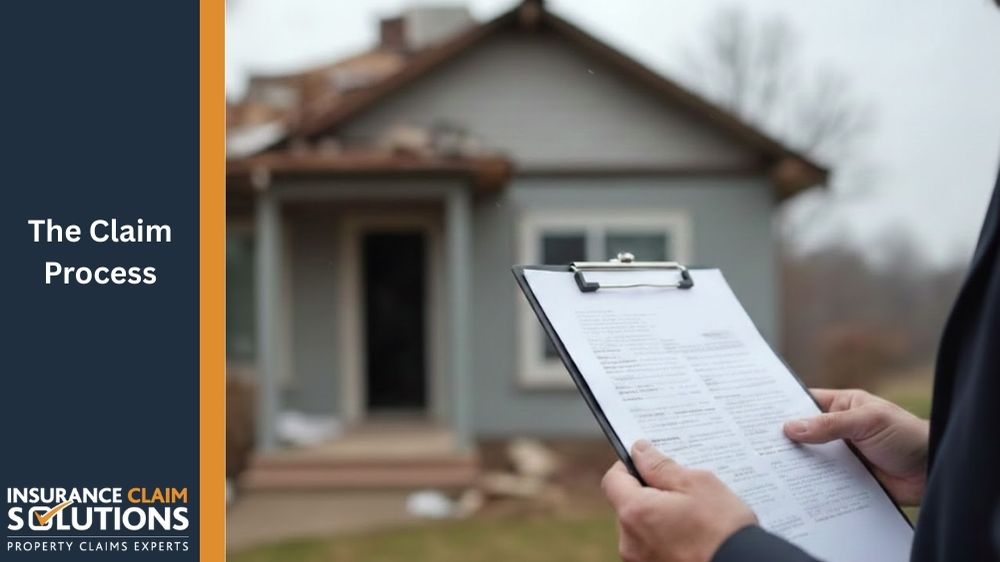
Imagine arriving at your shop in Santry or your office in Cork to find a burst pipe has ruined everything. Your head starts spinning while you look at the soaked carpets and soggy files. The claim process starts the very second you discover that damage. Most people think their insurance company will simply “make it right” on their own. This guide explains how the system actually works in Ireland and how you can avoid getting short-changed.
The first hour: Immediate actions that matter
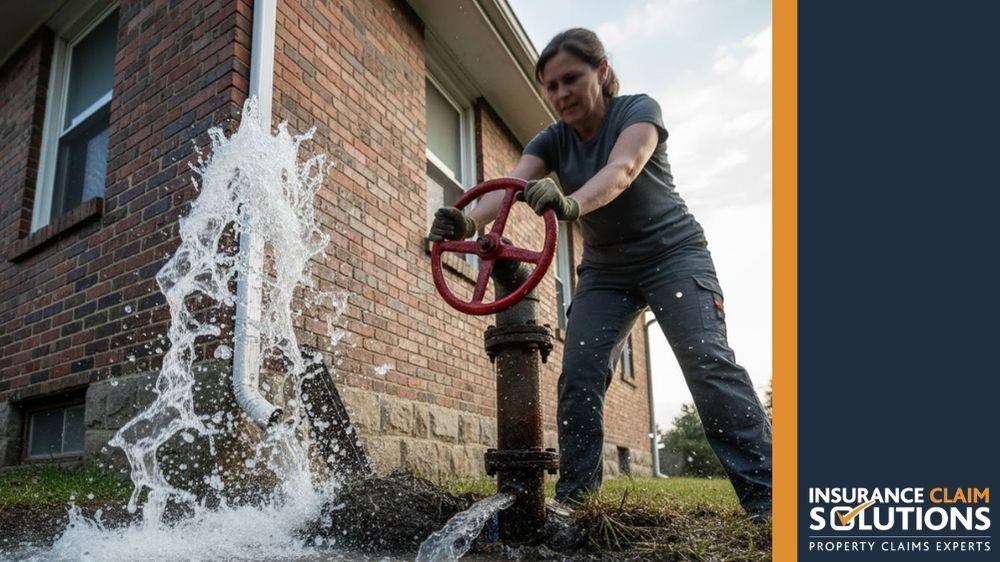
The clock starts ticking immediately after a fire, flood, or break-in. Your first job is to prevent further damage to your property. If a pipe has burst, turn off the mains water right away. If there is a hole in the roof after a storm, get a professional to tarp it.
Don’t throw anything away just yet. The insurance company needs to see the damaged items to verify your loss. Take clear photos and videos of every room before you start cleaning. These digital records are vital evidence when you start the claim process with your insurer.
Understanding who is who in the insurance world
When you call your insurer, they will send out a “loss adjuster”. It is a common mistake to think this person is there to help you. The loss adjuster works for the insurance company, not for you. Their job is to keep the payout as low as possible for their employer.
This is why many business owners in Dublin hire a public loss assessor like us. We are the only professionals in the system who work exclusively for you. We look for hidden damage that adjusters often ignore. Having an expert on your side levels the playing field from the start.
| Feature | Insurance Loss Adjuster | Public Loss Assessor (ICS) |
| Who pays them? | The Insurance Company | You (The Policyholder) |
| Primary Goal | Minimize the insurer’s loss | Maximize your settlement |
| Loyalty | To the Insurance Company | To YOU |
| Service | Scrutinizes your claim for flaws | Investigates and argues your case |
Step 1: Formally notifying your insurer
You must tell your insurance company about the incident as soon as possible. Most policies have a strict time limit for reporting “occurrences”. If you wait too long, they might try to refuse the claim entirely. Give them the basic facts, but avoid guessing about the cause or the total cost.
The insurer will give you a claim number. Keep this number handy because you’ll need it for every phone call and email. They will also ask you to fill out a claim form. This document is the foundation of your entire case, so you must be accurate.
Step 2: The site meeting and damage assessment

The loss adjuster will visit your premises to inspect the damage. They will look at the point of entry for a burglary or the source of a leak. They will also check if you followed all the security rules in your policy. If your alarm wasn’t set, they might use that to deny the claim.
At ICS, we attend these meetings with you. We use 3D property scanning technology to create a digital twin of the damage. This provides indisputable proof of the “Value at Risk”. It stops the adjuster from claiming the damage is smaller than it actually is.
Finding the “Secondary Damage”
Water and smoke don’t stay in one place. Water can seep into floor screeds or travel behind plasterboard walls. If it isn’t dried properly, it will cause mould and rot months later. This is what we call secondary damage.
Our background as building surveyors helps us spot these hidden issues. We use moisture meters and thermal cameras to track where the water went. A standard adjuster might only offer to paint the wall. We ensure the structural integrity of your building is actually restored.
Step 3: Compiling your “Statement of Claim”
This is the most time-consuming part of the claim process. You need to list every single item that was damaged or stolen. You must find receipts, invoices, or bank statements to prove what those items cost. For a business, this includes stock, machinery, and office equipment.
- Professional equipment (Computers, servers)
- Office furniture and fittings
- Business stock and raw materials
- Structural repairs (Flooring, wiring, plumbing)
- Alternative accommodation or temporary office rent
If you miss something now, it’s very hard to add it later. We help our clients build a comprehensive list that captures the true replacement value. We don’t want you paying out of your own pocket for things your policy should cover.
Step 4: Dealing with Business Interruption
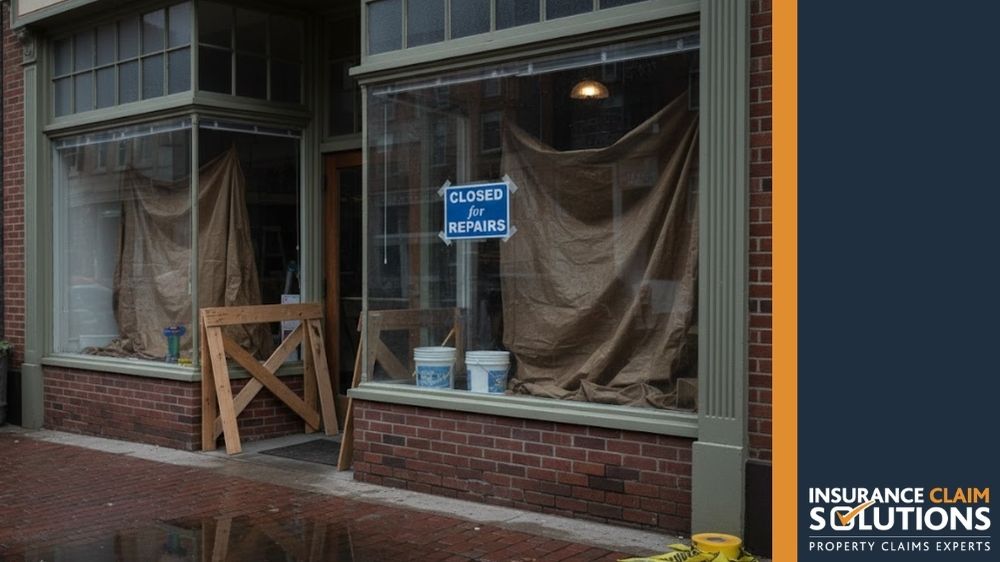
If your shop in Sligo has to close for a month, you aren’t just losing the property. You are losing your daily turnover. Business Interruption (BI) cover is designed to replace that lost income. It also helps pay your staff and your rent while you’re closed.
Calculating a BI claim is incredibly complex. You have to look at your previous years’ accounts and predict what you would have earned. The insurance company will try to argue that your business was on a downward trend. We fight back with hard data to protect your livelihood.
Step 5: The negotiation phase
Once the damage is assessed and the costs are listed, the haggling begins. The loss adjuster will make an initial offer. Usually, this offer is much lower than what you actually need to rebuild. They might apply “averaging” if they think you were underinsured.
If your building is worth €500,000 but you only insured it for €400,000, you are 20% underinsured. The insurer can then reduce every part of your claim by 20%. This is the “Underinsurance Trap” that ruins many Irish businesses. We review your policy to help you avoid these nasty surprises.
Step 6: Settlement and payment

When everyone agrees on the final figure, the insurer will issue a settlement “Discharge Form.”underinsurance trap”Form”. By signing this, you agree that the claim is settled in full. Never sign this until you are 100% happy with the amount. Once it’s signed, it is nearly impossible to reopen the case.
The money is usually paid out in stages. You might get an “interim payment” to help with urgent repairs or stock. The final balance is paid once the work is finished and you provide the final invoices. This ensures the money is actually used to repair the property.
Real-world examples of the “Assessor Difference”
We recently handled a fire claim for a warehouse in Dublin. The insurer’s adjuster offered €45,000 for “visible cleaning and painting”.Form”. After our survey, we proved the acid soot had destroyed the electrical switchgear and roof insulation. The final settlement we secured was over €160,000.
In another case, a burst pipe in a boutique hotel was valued at €12,000 by the insurer. We discovered water had migrated under the expensive parquet flooring across three rooms. We negotiated a settlement of €58,000 to cover the full floor replacement and drying. These aren’t small differences; they are the difference between staying in business or closing down.
Why “No Win, No Fee” works for you
Most business owners are worried about the cost of hiring a loss assessor. We typically work on a “no win, no fee” basis. This means we only charge a small percentage of the final settlement you receive. If we don’t get you a payout, you don’t owe us a penny.
This structure keeps us motivated to get you every cent you deserve. It also means you don’t have to worry about more bills while you’re already stressed. Our fee is almost always covered by the extra money we find in the claim. It is a low-risk way to ensure you’re treated fairly.
Planning for the future: The Value at Risk review

The best time to think about the claim process is before something goes wrong. We offer “Value at Risk” reviews for commercial property owners. We calculate the exact cost to rebuild your premises from scratch in today’s market. Building costs in Ireland have skyrocketed by over 20% in some sectors recently.
If your policy hasn’t been updated in three years, you are likely underinsured. A quick review now prevents a disaster later. It gives you the peace of mind that your business is truly protected. You can sleep better knowing the “small print” won’t catch you out.
Final thoughts on managing your claim
Dealing with an insurance claim is a full-time job. You already have a business to run and a family to look after. Trying to learn the ins and outs of policy law while you’re in a crisis is a recipe for burnout. Let the experts handle the paperwork and the arguments while you focus on getting back to work.
The claim process doesn’t have to be a battle if you have the right team on your side. We have handled over 7,500 cases, and we know exactly how adjusters think. We make sure the insurance company keeps its promise to you. You’ve paid your premiums for years; now it’s time to get what you paid for.
Would you like me to perform a free review of your current property policy to see if you are at risk of being underinsured?