
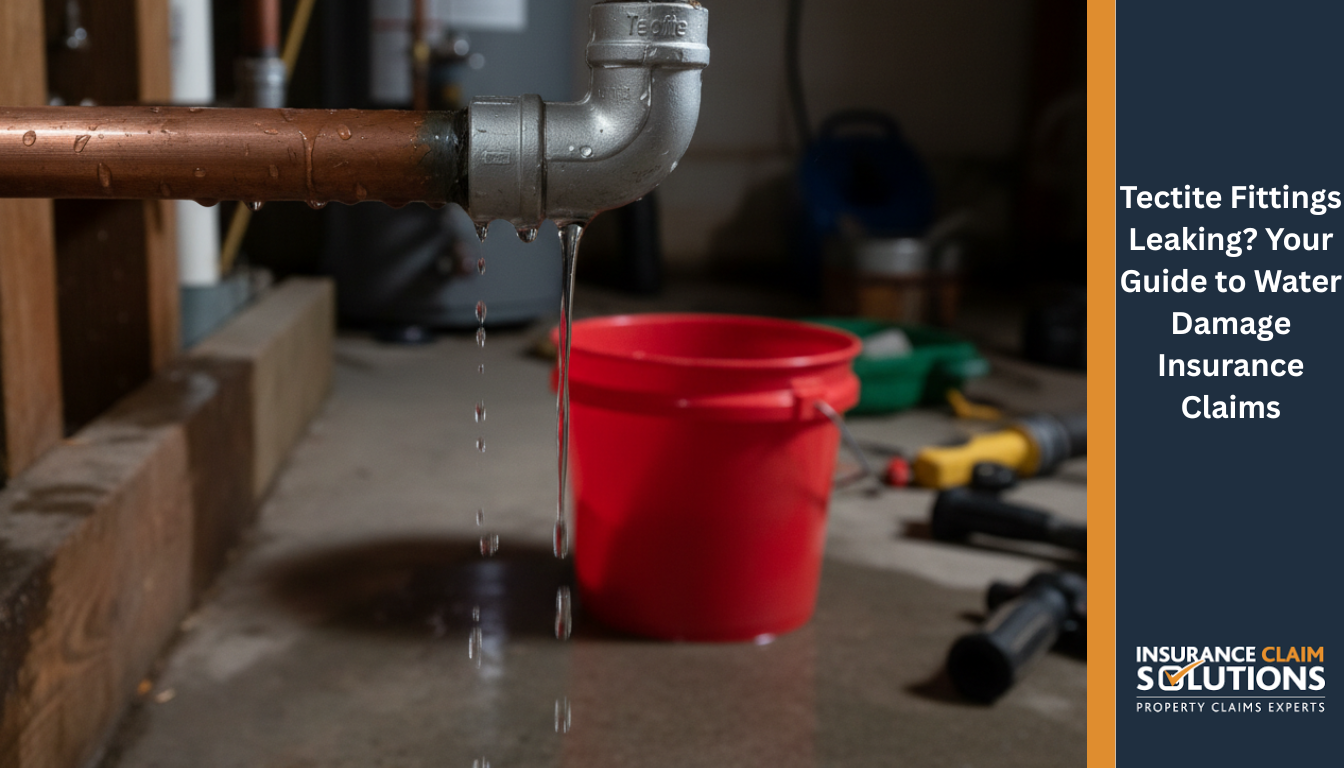
A plumber has just told you your Tectite fittings are the problem. Or you have found damp on a ceiling you cannot explain, and someone has mentioned Tectite as a likely culprit. Either way, you are now trying to work out what you are dealing with and who is going to pay for it.
This guide explains what Tectite fittings are, why they fail, what the damage typically looks like, and how to approach the two separate claims that may be available to you – one through your home insurance and one directly against the manufacturer. Understanding the difference between those two routes is the most important thing you can take from this page.
What Are Tectite Fittings?
Tectite fittings are push-fit plumbing connectors used to join copper and PEX pipes. They became widely used in Irish construction from the early 2000s onwards because they are fast to install. A plumber pushes the pipe into the fitting and the connection is made without soldering or compression tools. For builders working to tight schedules on housing schemes, that speed was a significant advantage.
The fitting works using two internal components: a grab ring that grips the pipe when it is pushed in, and an O-ring seal that creates the watertight connection. When both components are working correctly and the fitting has been properly installed, the joint holds indefinitely. The problem is that both components can fail, and when they do, the leak is usually hidden.
Tectite fittings were installed throughout Irish housing stock built between roughly 2000 and 2012. They appear in attic spaces near water tanks, beneath floors, behind plastered walls, within ceiling voids, and throughout central heating systems. In many homes they are the primary plumbing connection method throughout the entire property.
Why Do Tectite Fittings Fail?
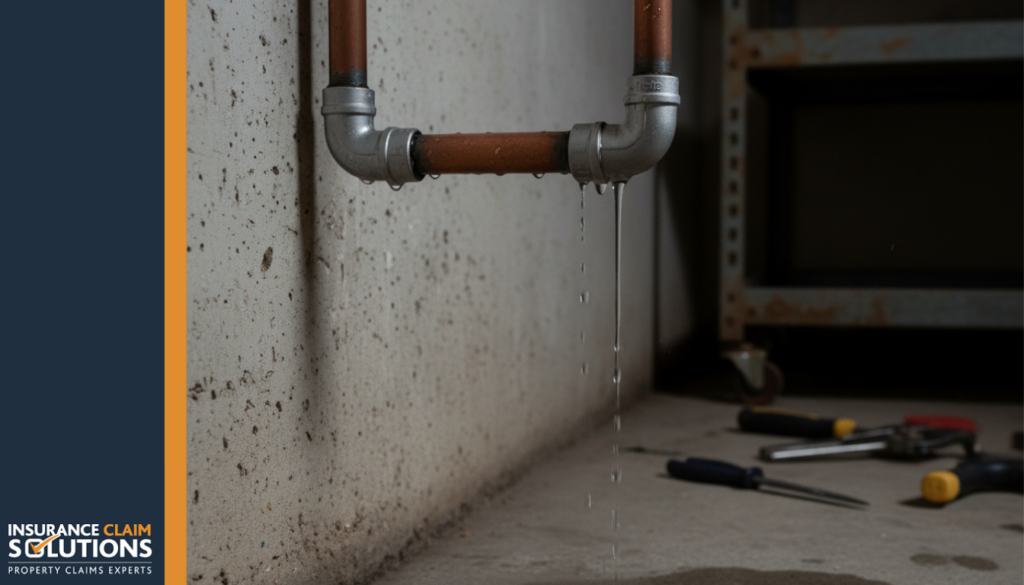
There are three distinct failure causes and the cause matters significantly when it comes to making a claim.
The first is manufacturing defects. A substantial number of Tectite fittings distributed to the Irish market were found to contain defective O-ring seals. These seals deteriorate over time rather than maintaining their integrity, eventually causing the fitting to leak. This defect affected a significant portion of fittings installed in Irish homes during the period when Tectite was at its most widely used. Where a manufacturing defect is established, the claim route is against the manufacturer’s insurers rather than your home insurer, and the scope of what can be recovered is considerably broader.
The second cause is improper installation. Even correctly manufactured fittings can fail if they were not installed properly. The pipe must be cut cleanly with a pipe cutter, not a hacksaw. The cut end needs to be deburred and chamfered before insertion. The pipe must be pushed fully into the fitting. Dirt or debris on the pipe surface at the point of insertion can compromise the O-ring seal immediately or cause it to degrade faster than it otherwise would. Installation errors may not produce an immediate leak but can result in failure years later, which is why so many Tectite problems are appearing now in homes that were plumbed fifteen to twenty years ago.
The third cause is environmental degradation. All rubber seals degrade over time. Water chemistry, exposure to incompatible materials, freezing temperatures, and pressure surges can all accelerate O-ring deterioration in fittings that were otherwise correctly manufactured and installed.
How to Tell If You Have a Tectite Leak
Because Tectite fittings are almost always concealed, the signs of a leak are indirect. The earlier you identify them the less damage you are dealing with.
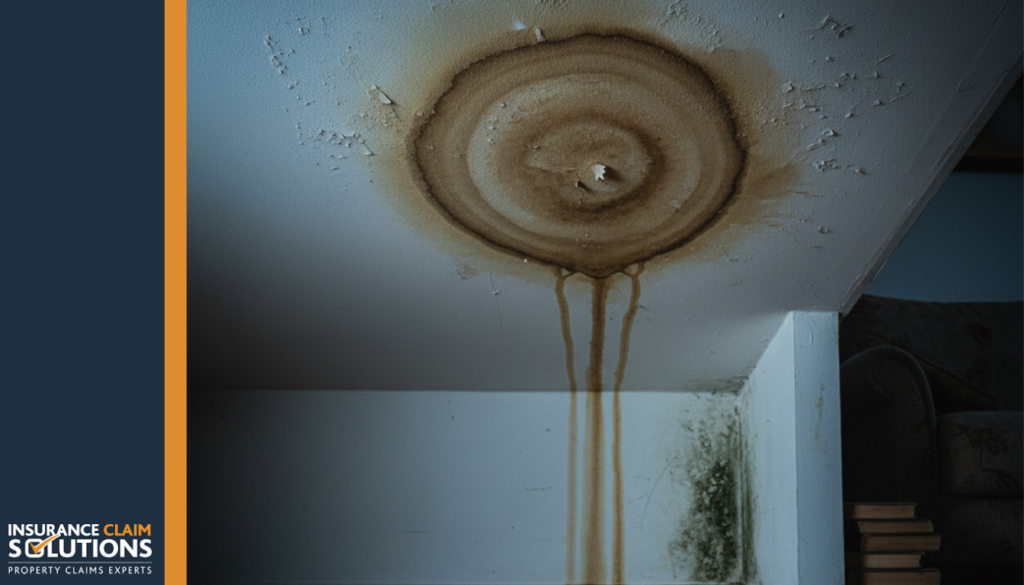
Water stains appearing on ceilings or walls without an obvious source above them are the most common first sign. A musty or damp smell in a room that has no obvious moisture source is another. Unexplained increases in your water bill suggest water is being lost somewhere in your system. Reduced water pressure, particularly in a specific area of the house, points to a leak nearby. Peeling wallpaper or paint bubbling on walls that have no external moisture exposure are also worth investigating.
If you suspect a Tectite leak, a pressure test on your plumbing system will confirm whether water is escaping somewhere. A qualified plumber can carry this out and identify the approximate location of the leak before any investigative work begins on floors or walls.
Do not delay investigating. Tectite leaks in concealed locations can run for weeks or months before they become visible. The longer a slow leak continues behind a wall or under a floor, the more extensive the structural damage becomes.

The Two Claim Routes Available to Irish Homeowners
This is where most homeowners get confused, and it is worth being clear about the distinction.
Your home insurance covers the consequential damage caused by a leak – the water damage to ceilings, floors, walls, contents, and finishes. What it typically does not cover is the cost of finding the leak, replacing the faulty fittings, or re-plumbing the property. Policy terms vary, so check your schedule carefully, but this is the standard position for most Irish home insurance policies.
A manufacturer claim covers a much broader scope. Where the cause of the leak is established as a manufacturing defect in the fittings themselves, a claim against the manufacturer’s insurers can potentially cover the cost of replacing all the defective fittings throughout the property, re-plumbing the entire home where necessary, repairing all consequential water damage to ceilings, floors, walls, and finishes, and any alternative accommodation costs incurred while the work is carried out.
The total costs in a full manufacturer claim can run into tens of thousands of euro. In many cases, floors, ceilings, and walls need to be removed to access concealed fittings, which means the remediation work is substantially more disruptive and expensive than a standard plumbing repair. Whether a manufacturer claim is available to you depends on establishing that the fittings in your home are from a defective batch – this is something a qualified building surveyor with experience of Tectite claims can assess.
The two routes are not mutually exclusive. In some cases a homeowner pursues both – their home insurer for the immediate water damage and the manufacturer’s insurers for the remediation and re-plumbing costs. Managing both claims simultaneously is complex and is one of the clearest situations where professional representation makes a practical difference.
What to Do If You Have Discovered a Tectite Leak
The steps you take in the first few days after discovering a Tectite leak have a direct impact on both claims.
Turn off the water supply to limit further damage. If you cannot isolate the affected circuit, turn off the mains stopcock. Contact a qualified plumber to assess the leak and provide a written report on the cause and location.
Document everything before any repair or remediation work begins. Photograph and film all visible damage. If flooring or wall sections need to be removed to access the leak, photograph the concealed fittings before and after removal. The physical condition of the fitting at the point of failure is important evidence in a manufacturer claim.
Notify your home insurer promptly. Report the water damage and get a claim number. Be factual about the source – a leaking Tectite fitting. Keep all receipts for emergency plumbing costs and any temporary accommodation.
Do not dispose of the failed fittings. They are physical evidence. Keep them and store them safely until a loss assessor or legal representative has had the opportunity to examine them.
Do not carry out full remediation work before the scope of damage has been properly assessed. Opening up walls and floors to access fittings is necessary, but the sequence in which this happens and how it is documented matters to both your insurance claim and any manufacturer claim.
How a Loss Assessor Can Help With a Tectite Claim
A Tectite claim – particularly one that involves both a home insurance element and a manufacturer liability element – is one of the more complex claim situations an Irish homeowner can face. The technical assessment, the policy interpretation, the evidence gathering, and the negotiation with two separate parties all require experience that most homeowners do not have.
A public loss assessor works exclusively for you, not your insurer or the manufacturer’s representatives. They carry out an independent assessment of the damage, identify the full scope of what can be recovered under both routes, and manage the claims process on your behalf.
Insurance Claim Solutions are regulated by the Central Bank of Ireland (Registration No. C423441) and have managed over 7,500 claims since Trevor Kelly founded the company in 2009. Our team includes qualified building surveyors who understand the technical side of Tectite failures and what the evidence needs to show to support a claim.
If you have discovered a Tectite leak or have been told your fittings are defective, we are happy to review your situation and advise you on the claim routes available. There is no obligation attached to that initial conversation.
Call ICS on 01 870 9210 or contact us here.

Frequently Asked Questions
Does home insurance cover Tectite fitting leaks in Ireland?
Home insurance typically covers the consequential water damage caused by a leaking Tectite fitting – damage to ceilings, floors, walls, and contents. It does not usually cover the cost of finding the leak, replacing the faulty fittings, or re-plumbing the property. Policy terms vary, so check your schedule carefully and contact your insurer to confirm what is covered before assuming the full repair cost is included.
Can I claim against the Tectite manufacturer for leaking fittings?
Where the cause of the leak is established as a manufacturing defect, a claim against the manufacturer’s insurers may be available. This type of claim can cover the cost of replacing defective fittings throughout the property, re-plumbing where necessary, and repairing all consequential damage. Whether a manufacturer claim is available depends on establishing that the fittings are from a defective batch. A qualified building surveyor with experience of Tectite claims can assess this.
How do I know if my Tectite fittings are from a defective batch?
A professional inspection by a qualified plumber or building surveyor is the most reliable way to establish this. Physical examination of a failed fitting can identify the characteristic O-ring deterioration associated with defective manufacturing batches. If you have discovered a Tectite leak, retain the failed fitting as physical evidence before any repair work begins.
How much does a Tectite insurance claim cost to resolve in Ireland?
The total cost depends on the extent of the damage and how many fittings are affected. Where re-plumbing is required throughout the property and significant structural damage has been caused, costs can run into tens of thousands of euro. A thorough assessment of the full scope of damage before any remediation work begins is essential to ensure the claim covers everything that needs to be repaired.
Should I use a loss assessor for a Tectite claim?
A Tectite claim involving both a home insurance element and a potential manufacturer liability claim is one of the more complex claim situations an Irish homeowner faces. Professional representation ensures the full scope of damage is properly documented, both claim routes are properly pursued, and you are not managing a technical and legal process alone. Most loss assessors offer a free initial consultation before any fee is agreed.